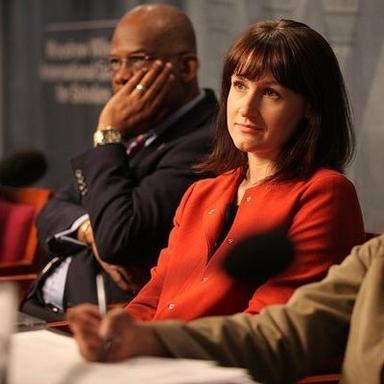
Eliza Northrop
Director
Read bioHide bio
International environmental lawyer specializing in ocean-climate solutions for zero-carbon transitions, sustainable ocean planning, natural resources governance, and policy and indigenous rights.


Historically, national-level plastics data has not been easily accessible via a single data platform - making it hard for organisations to identify where there are gaps in global reporting of plastics data. The Plastics Data tracker addresses this by providing easy access to the sources of individual data points for each country, across the whole supply-chain.
GOAP has developed the Plastics Data Tracker to identify the gaps in plastics data reporting, and to identify areas where data reporting is being advanced. This information will help countries understand where progress can be made within jurisdictions, and help countries more easily learn from others, by observing what others are doing to collect and present plastics data. This information will also help non-governmental organisations better target support for countries, help international groups monitor progress and facilitate more detailed analysis on flows of plastic.
The Tracker identifies data relevant to the full lifecycle of plastics in line with the Plastics Data Checklist:
The Plastics Data Tracker monitors plastics data reporting across more than 180 countries for the plastics supply-chain. This interactive registry offers streamlined access to government-published data sources and also "data scores" for each source based on reporting frequency and granularity.
The Tracker aims to visually present each nation's current position on reporting plastics data - whilst also showcasing countries with more developed plastics data to highlight potential data collection and reporting methodologies.
Developed via a rapid assessment prior to the Intergovernmental Negotiating Committee's fifth session (INC-5), the Tracker establishes a crucial evidence base that illustrates the current global landscape of plastics data availability. This resource was specifically designed to inform treaty negotiators about critical gaps and opportunities for improvement in international plastics monitoring frameworks.
Due to the rapid nature of this research our analyst team actively welcome user feedback, additional data points and suggestions for enhancement. This collaborative approach ensures the Tracker remains a dynamic and increasingly valuable resource for policymakers, researchers, and stakeholders worldwide.
Our team welcomes feedback to improve this tool. For feedback or updates, please email Eliza Northrop.
The United Nations Environment Assembly Resolution 14 (UNEA-5.2/Res 14), adopted in March 2022, calls for a "comprehensive approach that addresses the full life cycle of plastic." However, a persistent lack of data to inform indicators of progress has hindered global and national decision-making needed to mitigate plastic pollution, encourage sustainable practices, and support circular economy initiatives.
Significant knowledge gaps exist in understanding how plastic moves through global economies and environments - specifically, countries are not publishing data related to plastics production, consumption, trade and waste generation/treatment. These data gaps hinder the ability to establish meaningful national action plans, track progress, identify effective interventions, and allocate resources efficiently.
As negotiators gather at INC-5.2, ensuring strong data provisions becomes crucial. Without fundamental data elements, the treaty risks becoming well- intentioned but ineffective. Only through comprehensive data collection and monitoring can we effectively manage plastic pollution and create a more sustainable future.
Current data practices showcase regional diversity in terms of data collection methods, definitions, and reporting systems. Countries and individual regions brings unique strengths to plastics data management, demonstrating various innovative approaches to capturing and measuring plastics flows. However, these divergences also make comparisons challenging.
For example, across South East Asia, different measurement approaches highlight how regions adapt to local contexts. Vietnam for example, demonstrates leadership in inclusive measurement by incorporating informal sector collection in recycling rates, while Thailand has developed robust systems focused on formal recycling facilities only.
These diverse approaches create opportunities for developing more harmonised systems. By learning from different measurement methodologies and building on existing data collection strengths, future frameworks can maintain local flexibility while establishing more standardised reporting. The focus should be on creating inclusive systems that capture both formal and informal sectors and working towards more standardised definitions, while establishing complementary central and local reporting mechanisms.
It is therefore critical that the Global Plastics Pollution Treaty creates pathways to improve data collection over time, recognising countries have different starting points and capacities, and supported by new and additional and accessible support will be critical to the long-term success of the regime.
Further explanation on the importance of plastics data can be found in our blog on The Blind Spot for the Global Plastics Treaty: Why Data Matters.
Meet the Plastics Tracker team.
Director
International environmental lawyer specializing in ocean-climate solutions for zero-carbon transitions, sustainable ocean planning, natural resources governance, and policy and indigenous rights.

Director
Secretariat Director of GOAP, Scientia Fellow at UNSW, and Visiting Senior Fellow at the University of Wollongong with a focus on sustainable ocean policies and environmental data in planning.

SCIENTIST AND DATA ARCHITECT
Background in earth observation, machine learning and AI, statistics, environmental-economic accounting, biodiversity monitoring, field/expert/traditional knowledge, capacity building, and open source/cloud-based methods.

Research Associate
Environmental economist focusing on global waste management and the blue economy with experience in international development.

Research Officer
Environmental scientist and science communicator focusing on ocean accounting and evidence-based plastics management.
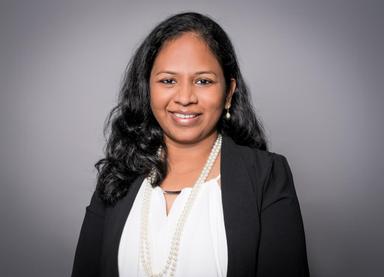
Plastics and Waste Specialist
Plastics and waste specialist focusing on circular economy, plastic pollution, waste management, and plastics data across the lifecycle.

Research Officer
Researcher in the marine and plastics field specialising in citizen science, data management, and social impact analysis.
The Plastics Tracker team sits within the Centre for Sustainable Development Reform (CSDR) at the University of New South Wales and delivers work as part of the Global Ocean Accounts Partnership (GOAP).
Established in 2022, CSDR strives to fulfil the public responsibilities and mission of UNSW; to provide education, conduct research and contribute to society.
Centre activities currently span more than 20 countries and are characterised by working in partnership with decision-makers across government, international institutions, local communities, and the private and non-profit sectors. We build and scale enduring multi-disciplinary partnerships and creating safe spaces for decisionmakers to plan pragmatic actions informed by rigorous science, knowledge and expert insights. In particular, the centre focuses on the development of new evidence relating to the marine environment, plastics data and the energy sector. Learn more about CSDR here.
The secretariat for the Global Ocean Accounts Partnership sits within CSDR at UNSW. It is a UK Government funded initiative that aims to:
The secretariat is supported by fellows positioned globally to develop evidence and contribute towards the community. Learn more about the GOAP here.
The plastics team have a specific focus on improving national systems to collect more (and better quality) plastics data. To do this, the team focuses on developing new digital tools and guidance as well as supporting governments by carrying out direct work in-country.